

By Isabella Rivera
Yonkers’ real estate landscape is in motion. For anyone buying, renting, or just watching, here’s what’s happening now—and what to keep in mind.
Strong Home Price Growth, But Mixed Signals
Recently, home prices in Yonkers have climbed sharply. Over the three months ending in June 2026, the median sale price hit around $612,000—roughly a 25% increase compared to a year before. Similarly, the price per square foot rose by more than 13% year-over-year. Homes are selling in roughly 35–40 days, a pace that’s slightly faster than last year.
That said, while price growth is robust, the number of homes sold has remained flat—signaling high prices are dragging on volume.
For prospective buyers, this means competition can be fierce, especially for well-located or well-maintained homes. Expect to act fast, possibly facing multiple offers.
Rentals: Costly and Limited
The average rent for all types of housing in Yonkers sits near $2,600 monthly. While rents have increased, the pace has been moderate—no sharp month-over-month spikes. Availability is fairly low, especially for units with multiple bedrooms or those in newer, amenity-rich buildings.
For renters, this means balancing wants against cost. Prioritize what features matter most—location, commute, building quality—and be ready to compromise or expand searched areas to find value.
Big Projects Reshaping the City
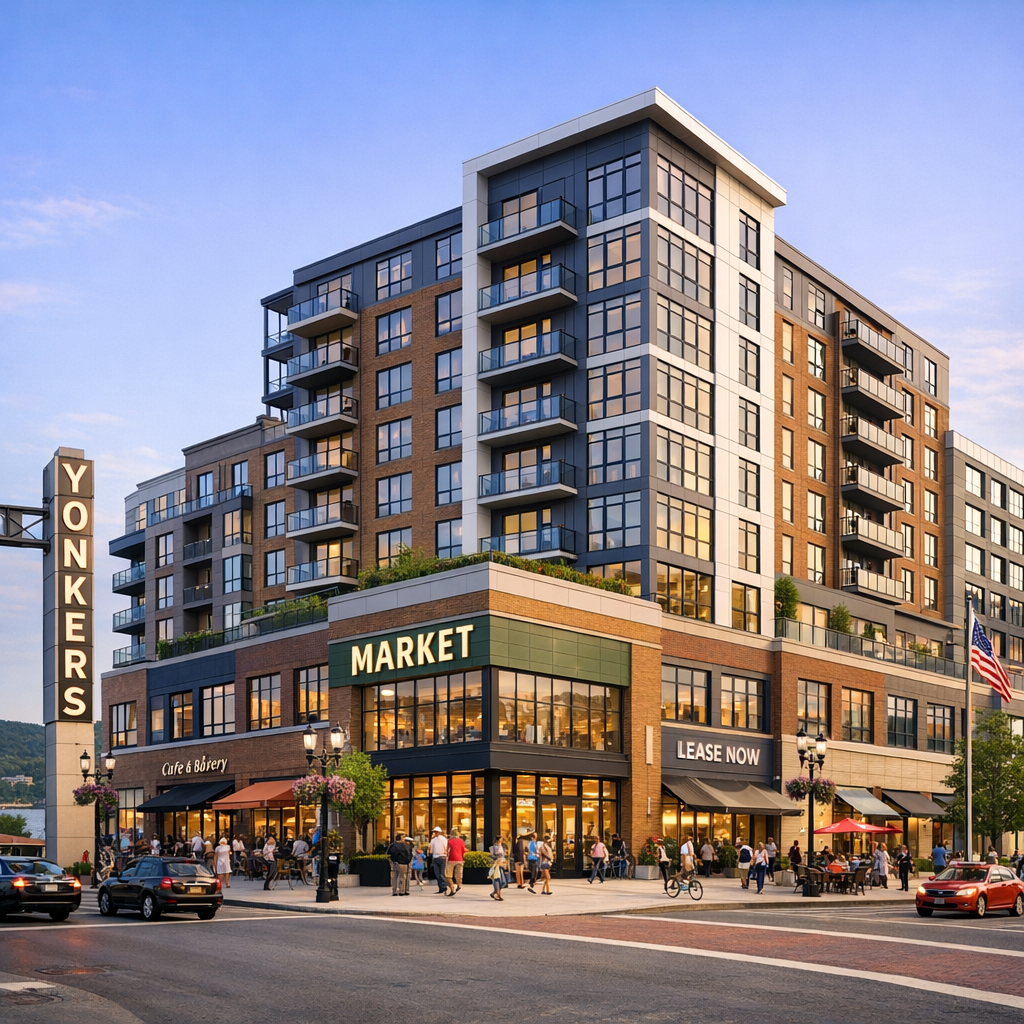
Multiple large developments are underway or recently approved that will increase both housing stock and neighborhood amenities:
- Park Square Yonkers: A $185 million mixed-use development replacing portion of former Mulford Gardens on 1 Loehr Place. It will offer 340 units (10% affordable), retail space, covered parking, and a brand-new pre-K–8 public school. The building is expected to take approximately two years to complete.
This project is also backed by financial incentives, including tax breaks and a PILOT (payment in lieu of taxes) agreement. - 44 Hudson Street: A 250-unit residential tower in downtown Yonkers. Features will include resident lounges, rooftop garden, gym, first-floor retail, and dedicated parking. A set number of units will be designated as affordable.
- Other YIDA-backed projects: The Yonkers Industrial Development Agency (YIDA) recently approved incentives for multiple developments, including mixed-use and affordable housing units, contributing hundreds of new apartments and construction jobs.
What Buyers & Renters Should Consider
For Buyers
- Check affordability beyond the listing price—consider taxes, interest rates, insurance, HOA or coop fees.
- Neighborhood matters: proximity to transit, schools, and parks can add value but also drive up prices.
- Look at both existing inventory and upcoming developments if timing is flexible. Newer units may offer modern amenities but sometimes come with premium pricing and longer delivery times.
For Renters
- Define your priorities. Amenities (gym, rooftop, views) often cost more; decide what you need vs. what’s nice-to-have.
- Explore different neighborhoods. East or West Bank, near Hudson River, downtown vs. outer areas—these can differ greatly in cost and quality of life.
- If possible, negotiate lease terms. Sometimes developers offer deals on longer leases, reduced fees, or bundled services.
Outlook: What’s Likely Ahead
If current trends hold, Yonkers will continue to see strong growth in home values and limited vacancy in rentals. Development projects—especially those offering affordable housing—might help ease some pressure, but substantial relief will take time. Policy decisions around zoning, tax incentives, and infrastructure (schools, sewer, transit) will strongly influence how accessible housing will be for different income levels.
Whether you’re buying, renting, or simply staying put, staying informed will be your best tool as Yonkers carves a new chapter in its housing story.